
Defensive Driving Tips for Indian Roads
Practical defensive driving habits for Indian roads, from following distance and two-wheelers to night driving, ghat roads and fatigue.
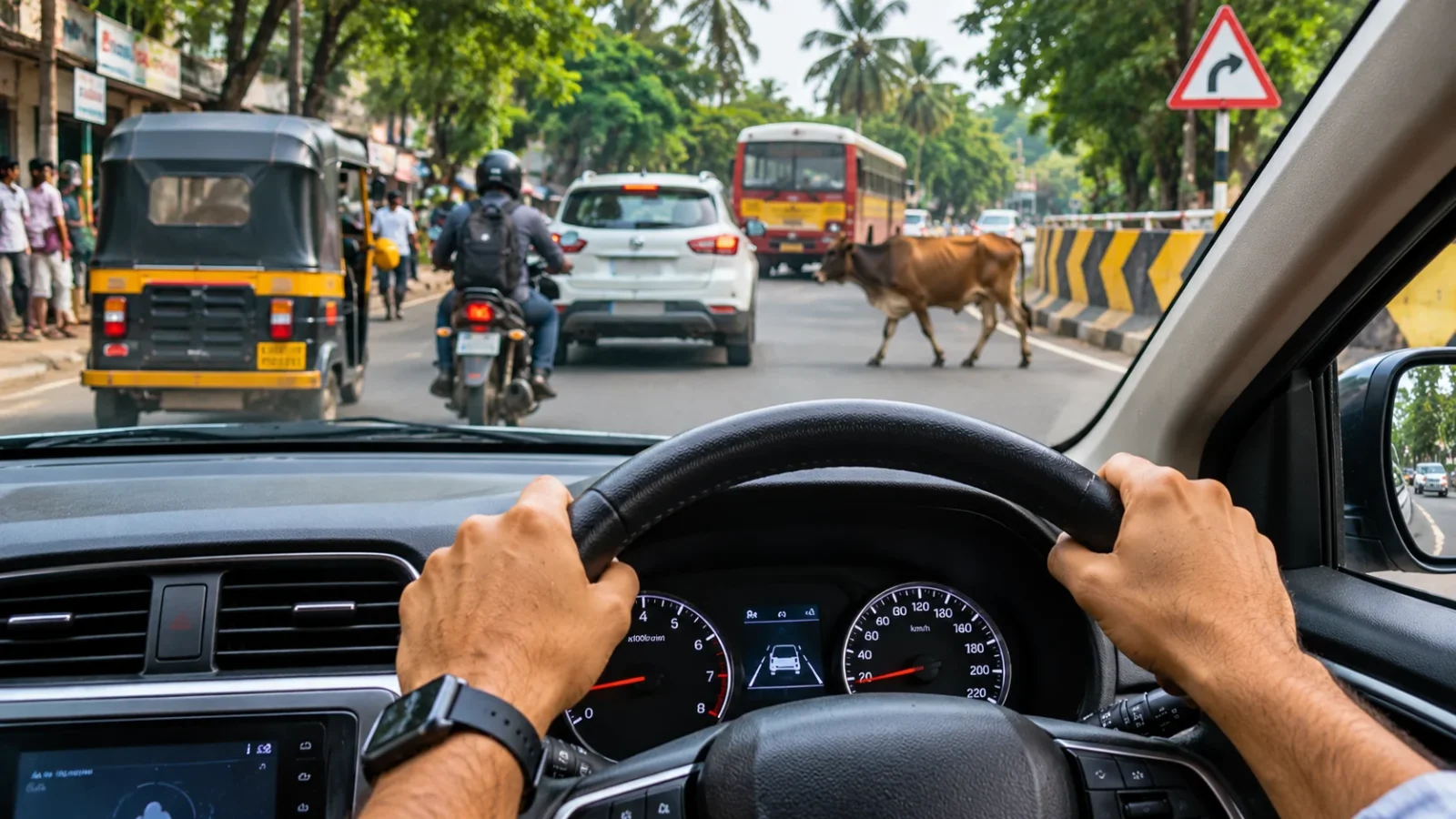
Defensive Driving Tips for Indian Roads:- Defensive driving means driving to prevent accidents, even when others make mistakes. On busy and unpredictable Indian roads, these habits matter even more.
1. Scan ahead and expect the unexpected
Look far down the road, not only at the car in front. Watch for pedestrians, animals, vehicles stopping suddenly, potholes and vehicles entering from side roads. Assume that others may not signal or stop.
2. Keep a safe following distance
Use the three-second rule: pick a fixed object, and make sure at least three seconds pass between the vehicle ahead passing it and you reaching it. Double the gap in rain, at night or when driving a heavily loaded car.
3. Watch for two-wheelers and pedestrians
Motorcycles and scooters filter through traffic, often from unexpected sides. Check mirrors and blind spots before turning or changing lanes, and give vulnerable road users extra space, especially near schools, markets and bus stops.
4. Maintain lane discipline
- Stay in your lane and signal early.
- Do not weave through traffic.
- Overtake only when it is clearly safe, with a long clear view, and never on blind curves or crests.
- Use the horn briefly as a warning, not as a habit.
5. Adjust your speed to conditions
The speed limit is a maximum, not a target. Slow down near junctions, in bad weather, at night and on damaged roads. Speed breakers and potholes can appear without warning.
6. Night driving
- Use headlamps properly and dip them for oncoming traffic.
- Keep the windscreen and lamps clean.
- Reduce speed, because you may not see pedestrians, unlit vehicles or animals in time.
- Avoid staring at oncoming headlights; look at the left edge of the road.
7. Ghat and hill roads
- Use a lower gear on descents instead of riding the brakes. Automatic cars usually have a low-gear or manual mode.
- Give way to uphill traffic where the road is narrow, and sound the horn before blind bends as appropriate.
- Stay in your lane on curves.
8. Do not drive tired or distracted
- Take a break at least every two hours on long drives.
- Do not use your phone while driving.
- Never drive after drinking alcohol.
- Pull over if you feel drowsy.
9. Always use seatbelts and child seats
Everyone in the car, including rear passengers, should wear seatbelts. Use appropriate child restraints. Check safety ratings and features when choosing a car.
10. Keep your car in safe condition
Good tyres, brakes, lights and wipers are a big part of defensive driving. See tyre care and dashboard warning lights, and follow the service schedule.
11. Plan for bad weather
Read driving in heavy rain and flooded roads and our monsoon checklist.
12. Stay calm
Do not engage in road rage. If another driver is aggressive, let them go and keep your distance.
Frequently asked questions
Is it safe to use the horn often?
Use it sparingly as a warning. Constant honking adds stress and can mislead others.
What should a new driver practise first?
Smooth control, mirror checks and a safe gap. Our first car guide and test drive checklist can help you get comfortable with a new car.

Related articles
Driving Safely in Heavy Rain and Flooded Roads
How to drive safely in heavy rain, avoid aquaplaning, handle flooded roads, and what to do if your car stalls in water.

Car Safety Ratings Explained: NCAP and Bharat NCAP Stars
What do NCAP and Bharat NCAP star ratings really mean? Learn how to read crash-test results and which safety features matter most.
Documents Needed to Buy or Sell a Car in India
A practical checklist of the documents and forms needed to buy or sell a car in India, including RC transfer, insurance and…
0 comments