
Tyre Care Guide: Pressure, Rotation, Alignment and Replacement
Learn how to maintain tyre pressure, rotate tyres, check alignment and know exactly when to replace them for safety and better mileage.
Tyres are the only part of your car that touches the road, so tyre care directly affects safety, comfort and fuel economy. These habits keep them in shape.
1. Maintain correct pressure
- Check pressure at least once a month and before long trips, with tyres cold.
- Use the pressure recommended by the manufacturer, on the sticker on the door pillar or in the manual, not the maximum value printed on the tyre sidewall.
- Do not forget the spare tyre.
- Adjust pressure for heavy loads if the manual advises.
Underinflation increases wear, heat and fuel consumption; overinflation reduces grip and comfort. For effects on efficiency see 12 ways to improve mileage.
2. Rotate tyres
Front and rear tyres wear differently. Rotating them at the interval in your manual (often every 8,000 to 10,000 km) evens wear and extends tyre life. Your service centre can do this during a regular service.
3. Check alignment and balancing
Poor alignment makes the car pull to one side or causes uneven wear. Poor balancing causes steering wheel vibration at speed. Get both checked after hitting a big pothole, after replacing tyres, or if you notice symptoms.
4. Inspect tread and sidewalls
- Look for tread wear indicators, small raised bars in the grooves. When the tread is level with them, the tyre is worn out.
- Check for cracks, bulges, cuts or embedded objects, especially on sidewalls.
- Uneven wear can reveal suspension or alignment problems.
5. Know when to replace
- When the tread reaches the wear indicators or the legal minimum.
- When there is a bulge, deep cut or sidewall damage.
- When tyres are very old. Check the four-digit date code on the sidewall (the first two digits show the week and the last two the year). Many manufacturers advise having tyres older than about five to six years inspected, regardless of tread.
6. Replace in sets when possible
Fit tyres of the same size and type on an axle, and ideally all four. Mixing worn and new tyres can affect handling, particularly on wet roads. Read how to drive safely in heavy rain.
7. Choose the right replacement
- Match the size, load index and speed rating in the manual.
- Pick tyres for how you drive: comfort, efficiency or grip.
- Consider wet-road performance, which matters in Indian monsoons. See our monsoon car care checklist.
Tyre habits that save money
- Avoid hard braking and fast cornering.
- Do not overload the car.
- Drive slowly over potholes and speed breakers.
- Keep valve caps on.
For electric cars
EVs are heavy and deliver instant torque, so tyres can wear faster. Use tyres recommended for EVs and watch pressure to protect range. See getting more range from your EV.
Frequently asked questions
How often should I check tyre pressure?
Monthly at minimum.
Should I use nitrogen?
It may hold pressure slightly better but regular air is fine if you check pressure regularly.

Related articles
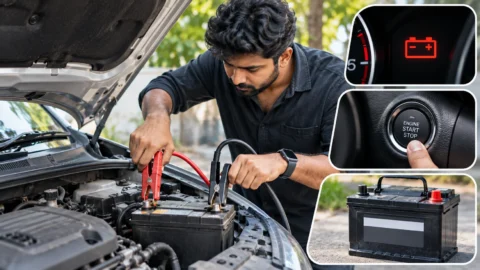
Car Battery Problems: Signs, Jump-Starting and Replacement
Learn the warning signs of a failing car battery, how to jump-start safely, and when and how to replace it without overpaying.

12 Ways to Improve Your Car’s Mileage
Get more kilometres from every litre. These 12 practical tips on driving habits, tyres, servicing and load can noticeably cut your fuel…
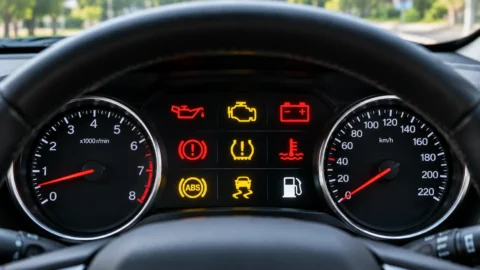
Dashboard Warning Lights and What They Mean
Understand common dashboard warning lights, their colours and what to do when they come on, from check engine to oil pressure and…
0 comments