
Monsoon Car Care Checklist
Get your car ready for heavy rain with this practical monsoon checklist covering wipers, tyres, brakes, lights, leaks and rust protection.
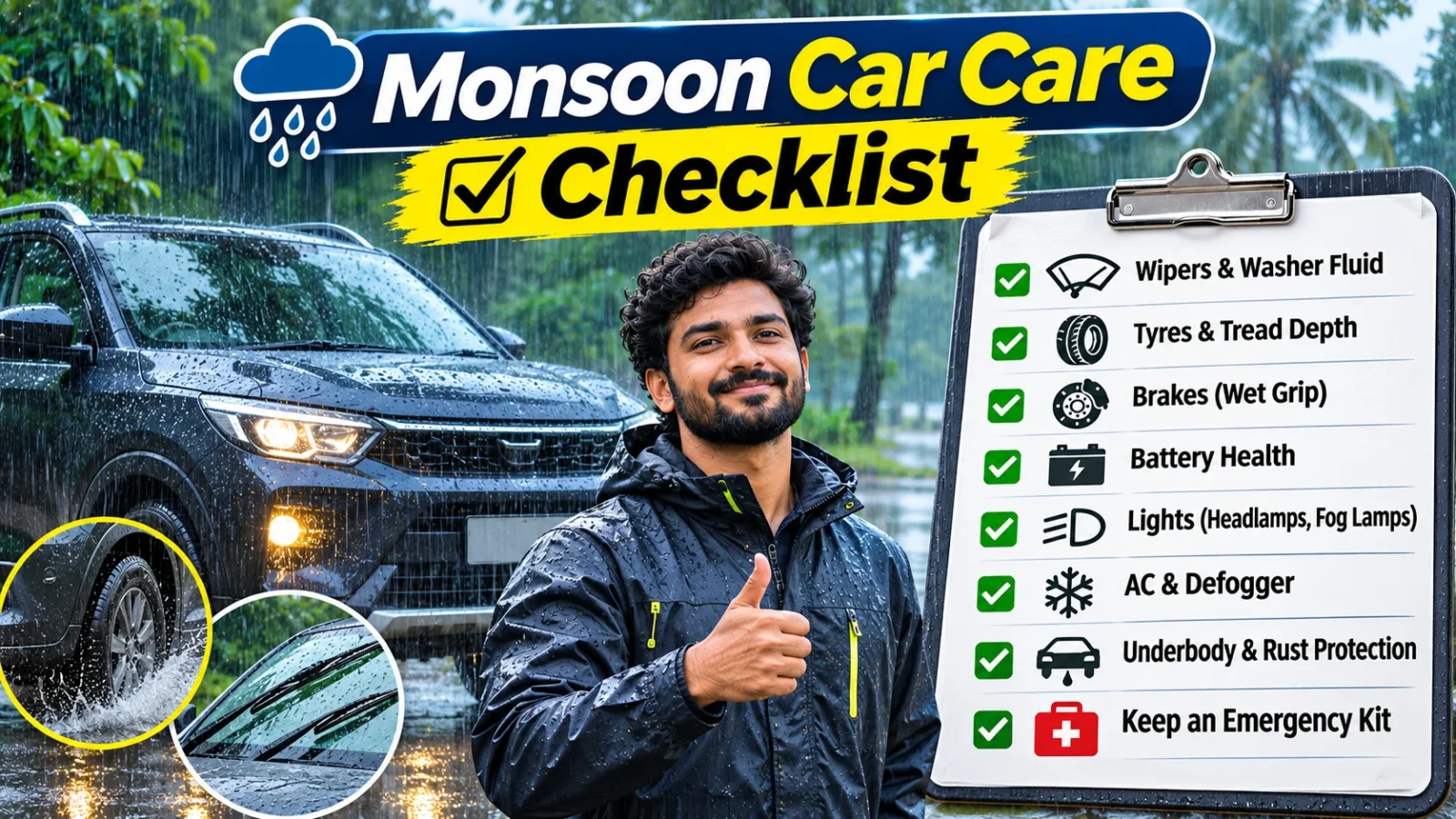
Heavy rain tests your car’s brakes, tyres, wipers and electricals. A short checklist before the monsoon, plus a few habits during it, can prevent breakdowns and accidents. This matters especially in high-rainfall regions such as Kerala.
Before the monsoon
1. Wipers and washer fluid
Replace worn or streaking wiper blades and top up the washer fluid. Clean the rubber with a damp cloth.
2. Tyres
Check tread depth and pressure. Worn tyres lose grip on wet roads and are more prone to aquaplaning. See our tyre care guide.
3. Brakes
Have pads, discs and brake fluid checked. Wet brakes feel weaker for a moment, so they must be in good condition.
4. Lights
Check headlamps, tail lamps, indicators and fog lamps. Clean or polish cloudy headlamp lenses to improve visibility.
5. Battery and electricals
Clean battery terminals and check the battery’s health, since damp weather exposes weak ones. See car battery problems.
6. Leaks and seals
Inspect door, window and sunroof seals for cracks and check for water entering the cabin. Clear sunroof drain channels if your car has them.
7. Underbody and rust protection
Ask your workshop to inspect the underbody and consider anti-rust treatment, especially in coastal areas.
8. Air conditioning and demisting
Make sure the AC and defogger work properly to clear foggy windows quickly.
During the monsoon
- Switch on headlamps in heavy rain. Use hazard lights only when stopped or in very poor visibility conditions as local rules allow.
- Slow down and double the following distance. Read driving in heavy rain and flooded roads.
- Avoid parking under trees or near weak structures.
- Test your brakes lightly after driving through water to dry them.
- Keep floor mats dry to prevent mould and odours, and dry the cabin if it gets wet.
- Keep an emergency kit with a torch, first-aid kit, jumper cables, a tow rope and a power bank.
After water exposure
If water entered the cabin or the engine bay, do not start the engine. Have the car towed and inspected. Water in the engine can cause severe damage that is expensive to fix. Also check the carpets for dampness and the electronics for faults, as these can be signs of a flood-affected car when you later sell or buy; see our used car inspection checklist.
Electric cars in the monsoon
EV batteries and charging ports are sealed, but follow your manual and avoid flooded water. Charge only in dry, safe locations. See home charging safety.
Insurance
Check whether your policy covers water damage and engine ingression, which often needs an add-on. See car insurance in India explained.
Frequently asked questions
Should I wax or polish before the monsoon?
A good wax or ceramic coat can help water bead off and protect paint, though it is optional.
Is it safe to use the AC in rain?
Yes; it helps de-fog the windscreen.

Related articles
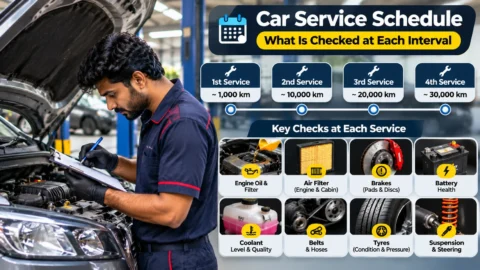
Car Service Schedule Explained: What Is Checked at Each Interval
Understand what happens at each car service interval, what you really need, and how to avoid paying for unnecessary extras at the…
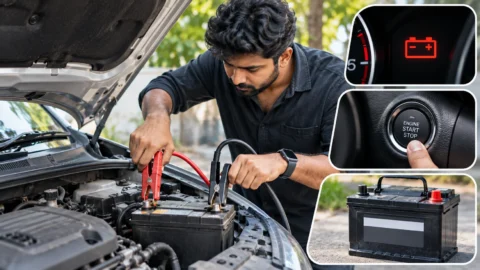
Car Battery Problems: Signs, Jump-Starting and Replacement
Learn the warning signs of a failing car battery, how to jump-start safely, and when and how to replace it without overpaying.
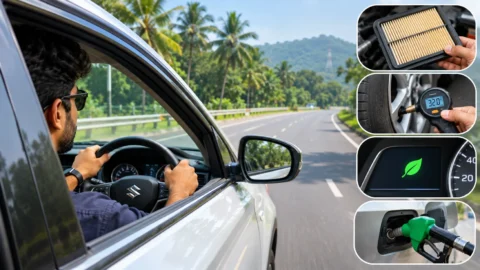
12 Ways to Improve Your Car’s Mileage
Get more kilometres from every litre. These 12 practical tips on driving habits, tyres, servicing and load can noticeably cut your fuel…
0 comments