
Car Battery Problems: Signs, Jump-Starting and Replacement
Learn the warning signs of a failing car battery, how to jump-start safely, and when and how to replace it without overpaying.
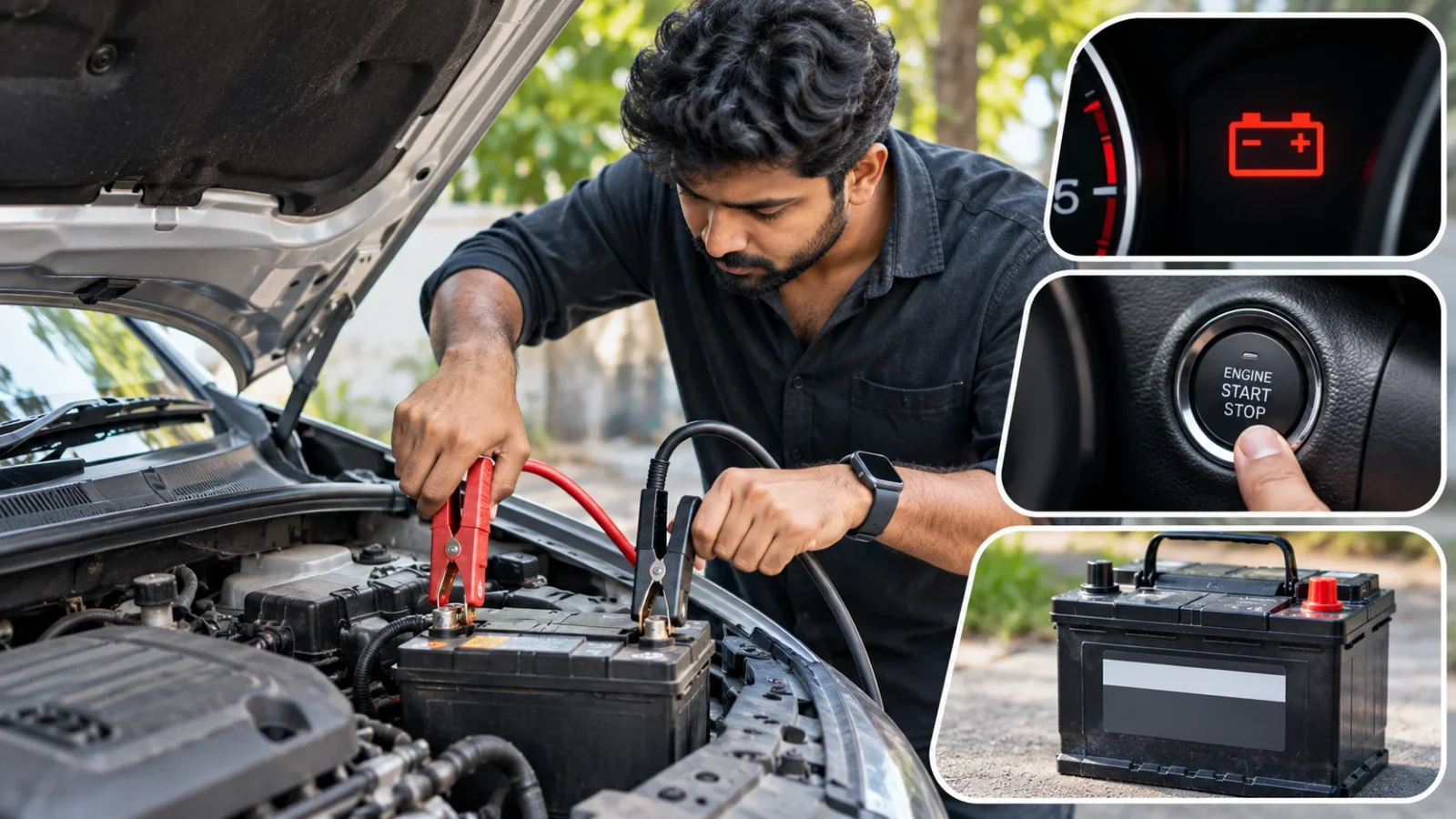
A dead battery is one of the most common reasons a car will not start. Knowing the signs helps you replace it before it leaves you stranded.
Signs of a failing battery
- Slow engine cranking, especially on cold or damp mornings.
- Dim headlights or interior lights, or flickering electronics.
- The battery or charging warning light. See dashboard warning lights.
- Corrosion, a white or blue-green powder, around the terminals.
- A swollen or leaking battery case.
- A battery that is three to five years old, since typical lead-acid batteries often last about that long, and heat shortens life.
Why batteries fail
- Age and heat.
- Short trips that do not let the alternator recharge the battery fully.
- Leaving lights or accessories on.
- Loose or corroded terminals.
- A faulty alternator, which means a new battery will fail too.
How to jump-start safely
Check your owner’s manual first, and do not jump-start hybrids and EVs without following the manufacturer’s procedure. For a conventional car:
- Park the donor car close, without the vehicles touching. Switch off both engines and all accessories.
- Connect one red clamp to the positive (+) terminal of the dead battery.
- Connect the other red clamp to the positive terminal of the good battery.
- Connect one black clamp to the negative (-) terminal of the good battery.
- Connect the last black clamp to unpainted metal on the dead car’s engine block or chassis, away from the battery.
- Start the donor car and let it run for a few minutes, then try to start the dead car.
- Remove the clamps in reverse order and keep the engine running, or drive for 20 to 30 minutes, to recharge.
Keep clamps from touching each other, avoid sparks near the battery and wear gloves and eye protection if possible.
Replacing the battery
- Match the battery’s size, terminal layout, capacity (Ah) and cold cranking amps to the manufacturer’s specification.
- Check the manufacture date on the label and avoid old stock.
- Compare warranty terms (many batteries have a replacement period followed by a pro-rata period).
- Ask the shop to test your alternator and charging system when fitting the new battery.
- Hand over the old battery for recycling.
Cars with start-stop systems often need a special battery type, so use the one specified in the manual.
Prolonging battery life
- Take longer drives occasionally.
- Keep the terminals clean and tight.
- Switch off lights and accessories when the engine is off.
- If the car sits unused, start it regularly or use a battery maintainer.
- Have the battery tested at every service, and especially before the monsoon.
EVs have a 12-volt battery too
An electric car’s 12-volt battery runs lights, locks and computers, and it can also fail. See how electric cars work.
Frequently asked questions
Can I jump-start a modern car with electronics?
Usually yes if done correctly, but follow the manual because of sensitive electronics.
Roadside assistance?
Many insurance policies include it. See our insurance guide.

Related articles
12 Ways to Improve Your Car’s Mileage
Get more kilometres from every litre. These 12 practical tips on driving habits, tyres, servicing and load can noticeably cut your fuel…
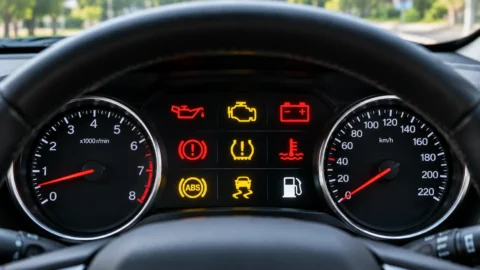
Dashboard Warning Lights and What They Mean
Understand common dashboard warning lights, their colours and what to do when they come on, from check engine to oil pressure and…
Monsoon Car Care Checklist
Get your car ready for heavy rain with this practical monsoon checklist covering wipers, tyres, brakes, lights, leaks and rust protection.
0 comments