
Car Resale Value: What Affects It and How to Get a Better Price
What decides your car's resale value, and how can you get a better price? Learn the key factors and a step-by-step plan for selling smartly.
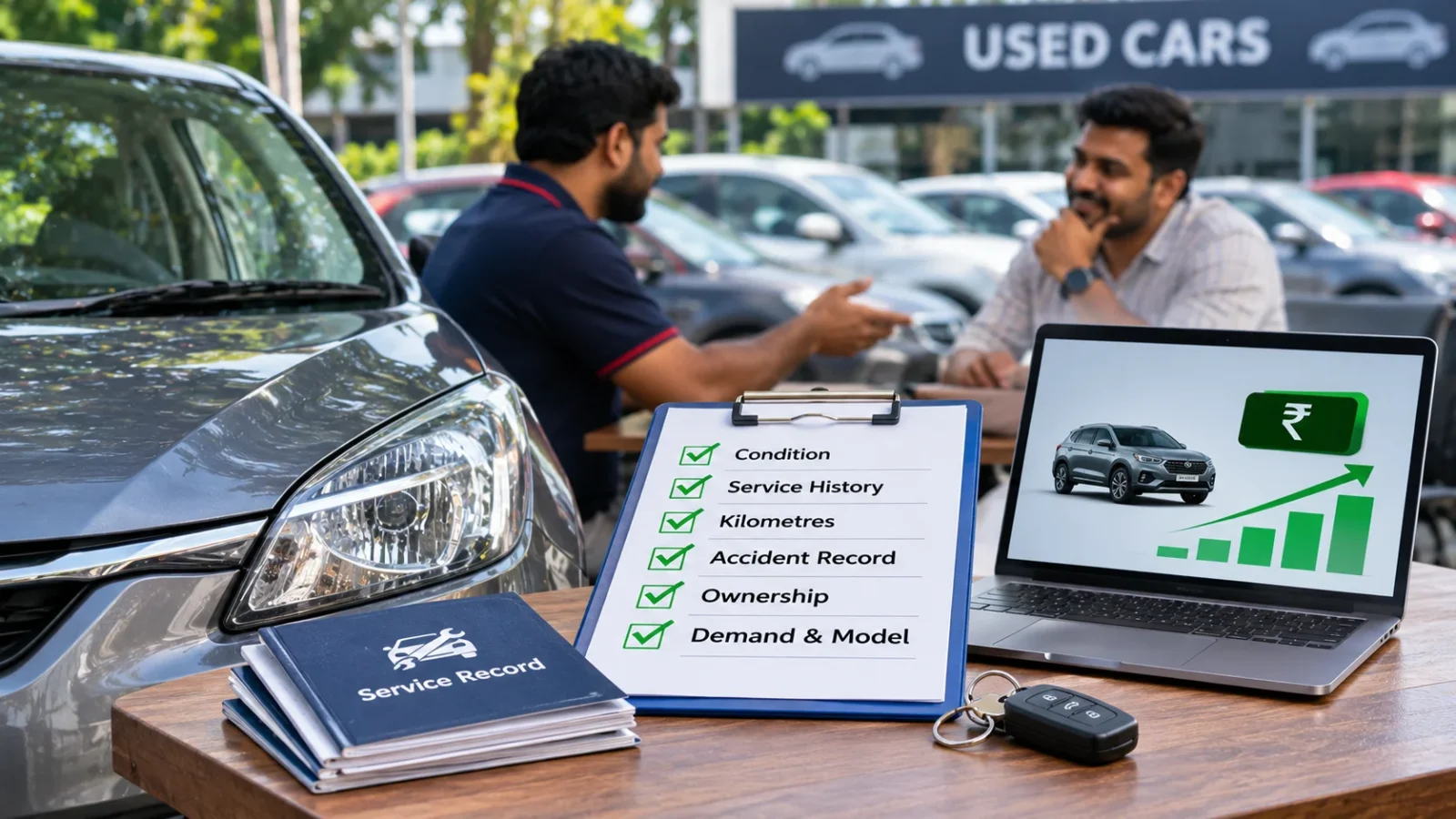
Car Resale Value:-Your car’s resale value is a major part of its true cost of ownership. A few choices at purchase and during ownership can make a big difference when you sell.
What affects resale value
- Brand and model popularity: well-regarded models with strong service networks hold value better.
- Age and kilometres driven: the main drivers of price.
- Condition: body, paint, interior, tyres and mechanicals.
- Service history: a full, documented history reassures buyers. See the service schedule.
- Accident or flood history: major repairs reduce value sharply.
- Number of owners: fewer owners is better.
- Fuel type and gearbox: local demand varies, and rules limiting older vehicles in some cities can affect certain fuel types. Check current regulations in your area.
- Colour and variant: popular colours and mid-range variants are often easier to sell.
- Market conditions: new-model launches, price changes and fuel prices all shift used prices.
Choose well when you buy
If resale matters to you, pick a popular model and a sensible variant. See how to pick the right variant. Electric cars have a younger used market, so resale is harder to predict; consider battery warranty terms.
Protect value while you own the car
- Service on time and keep every invoice.
- Fix small dents and scratches before they get worse.
- Keep the interior clean and avoid smoking in the car.
- Maintain tyres and brakes. See our tyre care guide.
- Keep the insurance continuous and the paperwork in order.
- Avoid non-standard modifications that may put buyers off.
How to sell for a better price
- Know the market price. Check listings for the same model, year and condition in your city.
- Prepare the car. Deep clean, fix small issues and gather the service records.
- Gather the paperwork. See documents needed to buy or sell a car.
- Take good photos in daylight and write an honest listing.
- Compare options: dealer exchange, local used-car dealers, online platforms or a private buyer. Private sales often fetch more but need more effort.
- Be careful with payment and transfer. Use traceable payment, and complete the ownership transfer formally so you are not held liable for later challans or accidents.
Timing your sale
Cars generally lose value faster in the first few years. Many owners sell before major service items like new tyres or a battery fall due, but before deciding, compare the cost of those items to the price difference they create. See car battery replacement.
Honesty pays
Disclose known issues. Buyers who inspect the car, perhaps with the help of a checklist like ours, will find them anyway, and honesty reduces disputes.
Frequently asked questions
Should I take the dealer’s exchange offer?
It is convenient but may be lower than the market price. Compare it with other quotes.
How is resale linked to running cost?
Depreciation is a big part of it. See how to calculate your car’s true running cost.

Related articles
New Car vs Used Car: Which Makes More Financial Sense?
Should you buy a new or used car? Compare depreciation, warranty, financing and running costs to find the smarter choice for your…
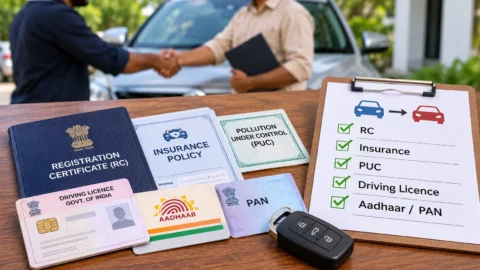
Documents Needed to Buy or Sell a Car in India
A practical checklist of the documents and forms needed to buy or sell a car in India, including RC transfer, insurance and…
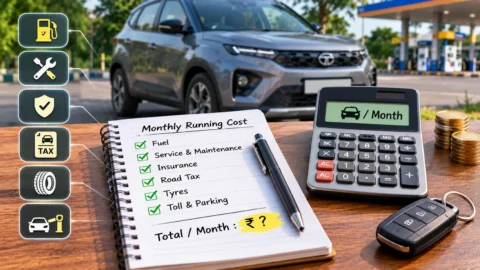
How to Calculate Your Car’s True Monthly Running Cost
Find out what your car really costs each month. Use this simple framework covering fuel, EMI, insurance, servicing, tyres and depreciation.
0 comments