
New Car vs Used Car: Which Makes More Financial Sense?
Should you buy a new or used car? Compare depreciation, warranty, financing and running costs to find the smarter choice for your budget.
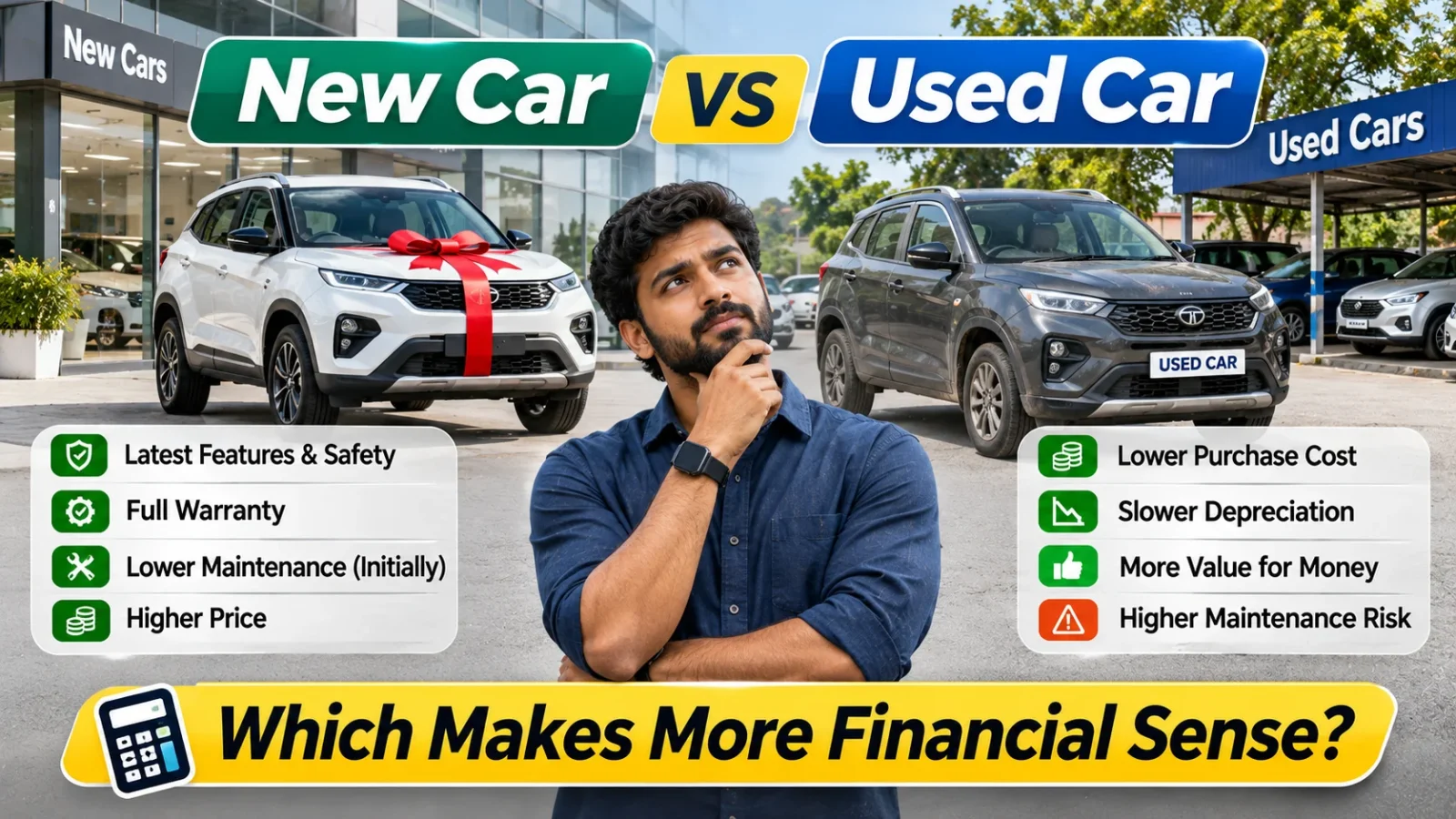
“New or used?” is the question every car buyer faces. The answer depends on your budget, how long you will keep the car and how comfortable you are with risk.
Depreciation: the biggest hidden cost
Cars lose value, and the steepest drop typically happens in the first few years. A used car has already absorbed much of this loss, so you pay less for the same vehicle. With a new car, you bear that loss yourself, but you also enjoy the early years of trouble-free ownership.
New car: advantages and drawbacks
- Pros: manufacturer warranty, latest safety features, known history, access to new-car financing offers and a full service life ahead.
- Cons: higher price, faster depreciation, higher insurance premium in the first years.
Used car: advantages and drawbacks
- Pros: lower price, slower depreciation, lower insurance, and the option to buy a higher segment for the same money.
- Cons: unknown history, higher chance of repairs, usually no warranty, and possibly older safety technology.
Cost comparison framework
| Factor | New | Used |
|---|---|---|
| Purchase price | High | Lower |
| Depreciation | Steep early | Gentler |
| Repairs in first 3 years | Mostly covered | Possible costs |
| Loan interest | Often lower rate | Often higher rate |
| Safety technology | Latest | Depends on age |
How to compare in practice
- Pick two options (for example a new hatchback and a 3-year-old compact SUV).
- Estimate the total cost over the period you will own the car: purchase price, loan interest, insurance, fuel, servicing, expected repairs, and the amount you expect to get at resale.
- Subtract the resale value from the total cost. The difference is the real cost of ownership.
Use the method in how to calculate your car’s true monthly running cost to keep the comparison honest.
Who should buy new?
New suits buyers who plan to keep the car for many years, value warranty and peace of mind, or want the latest safety features and technology such as an electric powertrain.
Who should buy used?
Used suits buyers who want more car for their money, can inspect carefully with our 15-point checklist and keep a repair buffer.
Frequently asked questions
Is a 2-3 year old car the sweet spot?
Often, because the steepest depreciation has passed and the car is still modern. Check the specific model’s market.
Is financing a used car expensive?
Interest rates are often higher for used cars, so compare offers. See car loan basics.
This is general guidance; verify current prices and rates before deciding.

Related articles
How to Buy a Used Car in India: A 15-Point Inspection Checklist
Use this 15-point checklist to inspect a used car in India, spot accident or flood damage, and verify paperwork before you pay.
Car Resale Value: What Affects It and How to Get a Better Price
What decides your car's resale value, and how can you get a better price? Learn the key factors and a step-by-step plan…
Test Drive Checklist: 20 Things to Check Before You Buy
Make your test drive count. Use this 20-point checklist to evaluate comfort, visibility, brakes, noise and more before you buy a car.
0 comments