
Petrol vs Diesel vs CNG vs Electric: Which Suits You?
Petrol, diesel, CNG or electric? Compare the real pros, cons and ideal drivers for each fuel type to choose the right car for your usage.
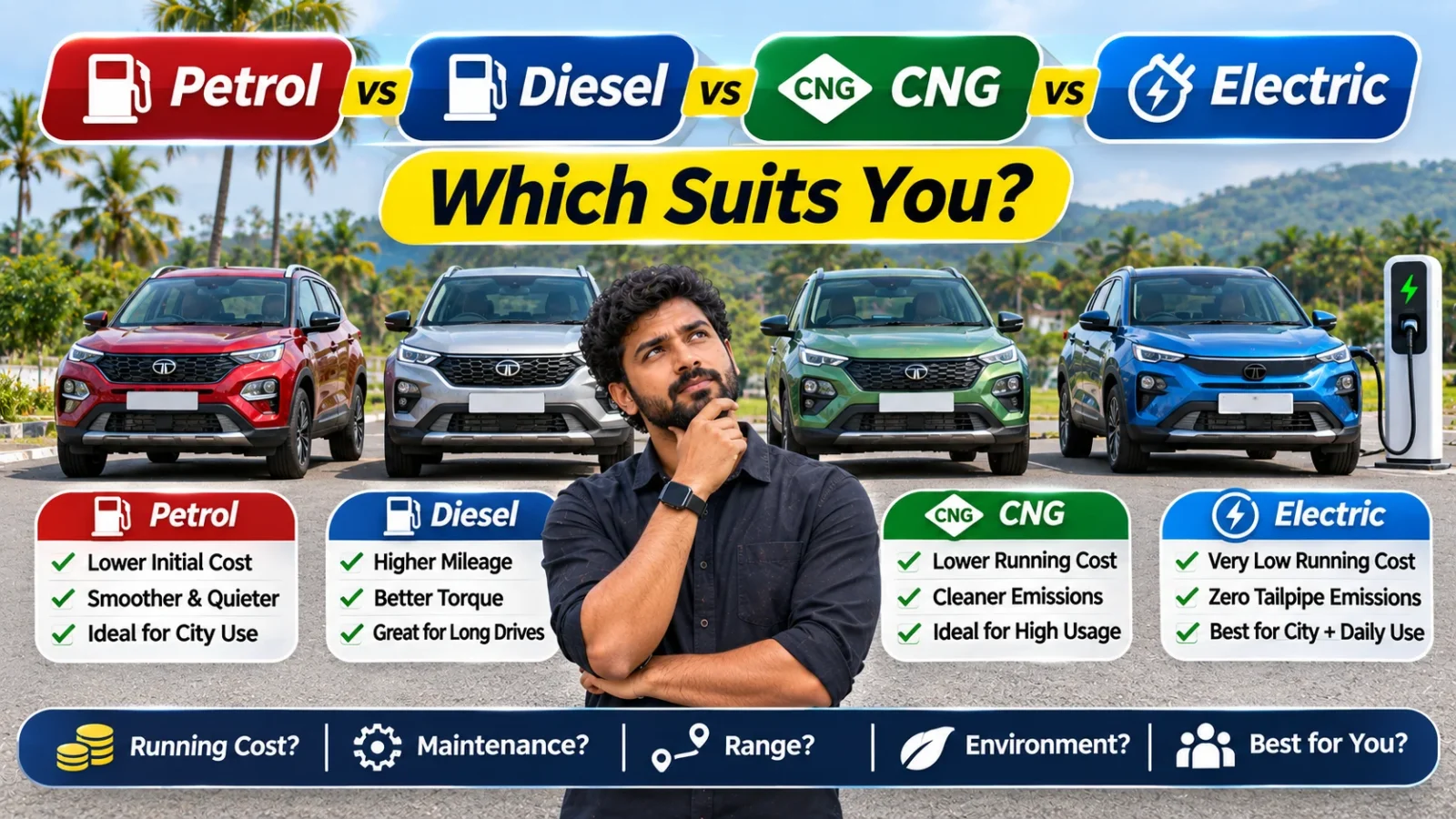
Choosing a fuel type is one of the biggest decisions when buying a car. The right answer depends on how far you drive, where you live and how long you plan to keep the car, not on which fuel is “best” in general.
Quick comparison
| Fuel | Upfront price | Running cost | Best for |
|---|---|---|---|
| Petrol | Lowest to moderate | Moderate | Mixed or low usage |
| Diesel | Higher | Lower per km on highways | High highway mileage |
| CNG | Moderate | Low per km | High city mileage where CNG is available |
| Electric | Higher | Lowest per km with home charging | Predictable daily driving with home charging |
Petrol
Petrol cars are smooth, quiet and cheaper to buy, and they suit most buyers who drive up to a moderate distance each month. Servicing is simple and there is a wide choice of models. Their fuel cost per kilometre is higher than CNG or electric, so heavy daily drivers may pay more over time.
Diesel
Diesel engines deliver strong torque and good highway efficiency, which suits drivers who cover a lot of kilometres on open roads or tow loads. The trade-offs are a higher purchase price, costlier maintenance and, in some cities, rules that restrict older diesel vehicles. If you drive less than a few thousand kilometres a month, the extra upfront cost may never pay back.
CNG
CNG is cheap per kilometre and cleaner than petrol. The downsides are reduced boot space (the cylinder takes room in many models), slightly lower power, and the need to find CNG stations on your route. Many CNG cars can switch to petrol, which helps on long trips.
Electric
Electric cars cost very little to run when charged at home, have fewer moving parts and drive quietly and smoothly. They suit people who park where they can install a charger and who have a predictable daily distance. Upfront cost is higher, and long-distance travel needs planning around chargers. Read how electric cars work and the EV vs petrol running-cost comparison to see what it means for your budget.
Hybrids as a middle path
Hybrids use a petrol engine with an electric motor to save fuel without needing a charging point. They are covered in our hybrid explainer.
How to decide using break-even distance
- Find the price difference between two versions of the same model (for example petrol and diesel).
- Calculate the fuel cost per kilometre for each (fuel price divided by real-world km per litre).
- Divide the price difference by the saving per kilometre. The result is the distance after which the costlier car pays back.
If the break-even distance is more than you will drive in the years you will own the car, choose the cheaper version.
Frequently asked questions
Is diesel still worth it?
Only if you drive long distances regularly. For city use, petrol or hybrid is usually more sensible.
Is CNG safe?
Factory-fitted CNG systems from reputable manufacturers are designed with safety valves and tested to standards. Avoid poorly installed aftermarket kits and get periodic cylinder inspections.
Which is best for resale?
This varies by city and by regulation. Check what is selling well locally before you commit. Our resale value guide explains the factors.
Fuel prices and rules change often; use current local numbers in your own calculations.

Related articles
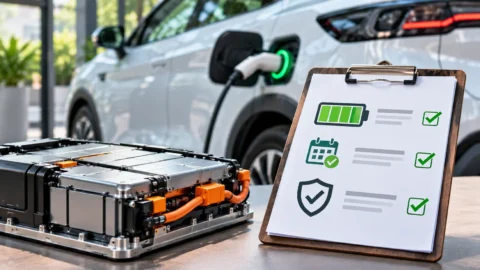
EV Battery Life and Warranty: What Buyers Should Know
How long do EV batteries last, and what does the warranty cover? Understand degradation, warranty terms and habits that protect battery health.
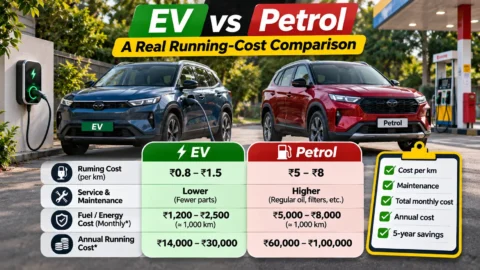
EV vs Petrol: A Real Running-Cost Comparison
How much cheaper is an EV than a petrol car? Use this worked example and simple formula to calculate the running cost…
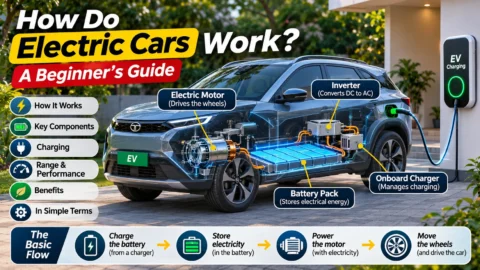
How Do Electric Cars Work? A Beginner’s Guide
New to EVs? This beginner's guide explains how electric cars work, from the battery and motor to regenerative braking and charging.
0 comments