
How to Check Engine Oil and Coolant at Home
A simple step-by-step guide to checking your car's engine oil and coolant levels at home, with safety tips and signs of trouble.
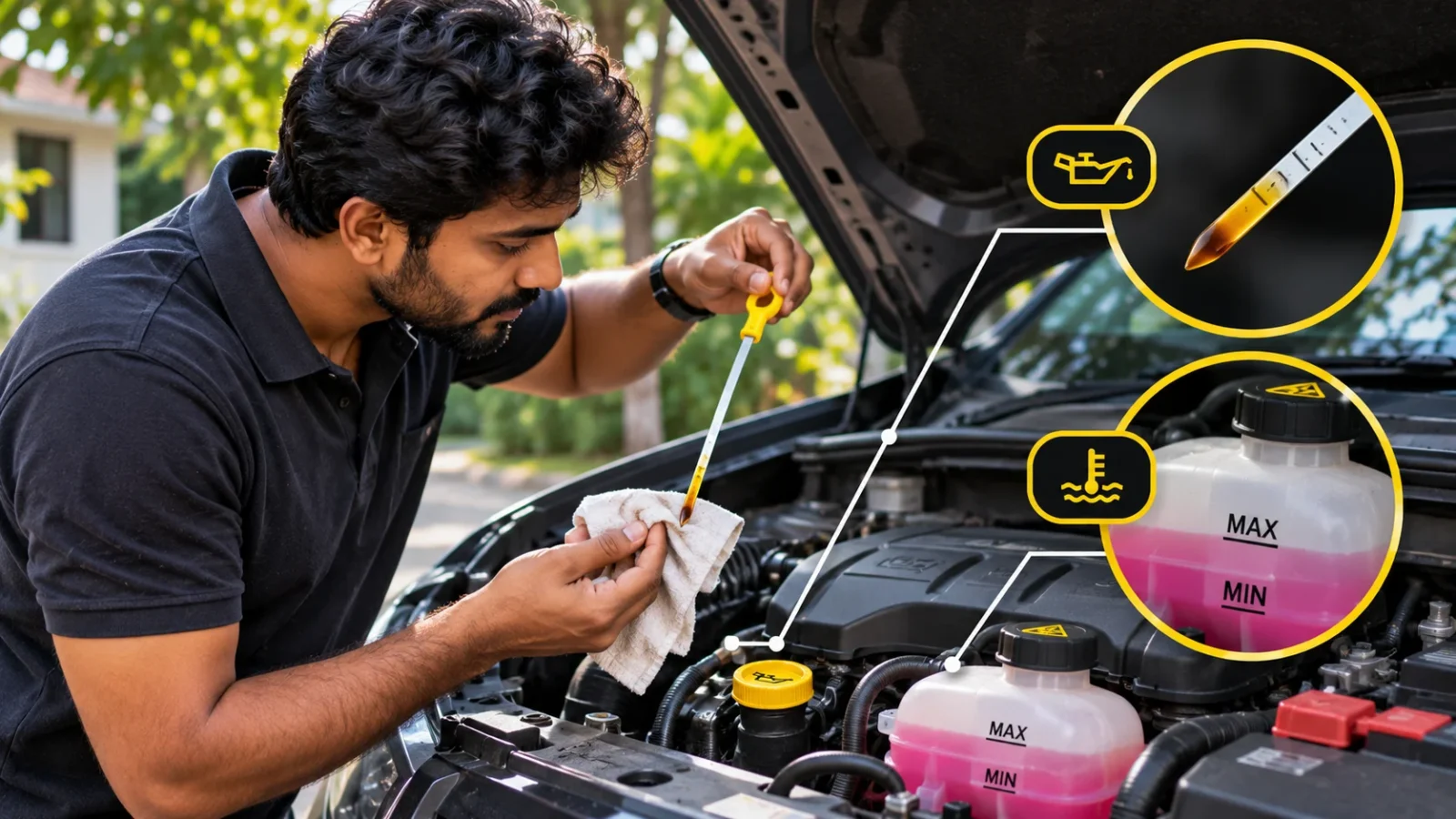
Checking oil and coolant takes only a few minutes and can prevent costly engine damage. Do it once a month and before long trips. Always consult your owner’s manual for the exact procedure for your car.
Before you start
- Park on level ground and switch the engine off.
- Let the engine cool; for oil, wait a few minutes after switching off so oil drains back into the sump.
- Keep a clean rag or paper towel handy.
- Apply the handbrake.
How to check engine oil
- Open the bonnet and find the dipstick, usually with a brightly coloured handle.
- Pull it out and wipe it clean with the rag.
- Push it fully back in, then pull it out again.
- Read the level. The oil mark should lie between the minimum and maximum marks.
- Check the colour: fresh oil is amber; dark oil is common in used engines, but milky or gritty oil suggests a problem.
If the level is low, top up slowly with the grade recommended in your manual, rechecking as you go. Do not overfill. Some modern cars have no dipstick and show the level electronically, so check your manual.
How to check coolant
- Make sure the engine is completely cold. Never open a hot radiator or coolant cap, because pressurised hot coolant can cause serious burns.
- Find the translucent coolant reservoir.
- Check that the level sits between the MIN and MAX marks on the side.
- Look at the colour: coolant is usually green, pink, orange or blue. Rusty brown or oily coolant needs attention.
Top up with the coolant type specified by the manufacturer. Do not mix different types unless allowed. A repeated drop in level suggests a leak that needs a mechanic.
Other quick checks
- Brake fluid: check the reservoir level and replace as per schedule.
- Washer fluid: top up for clear visibility, especially in the monsoon.
- Look under the car for fresh oil or coolant drips where you park.
Warning signs
- The oil pressure light or temperature warning on the dashboard. Pull over safely and switch off. See dashboard warning lights explained.
- Smoke or a burning smell from the engine bay.
- Rapidly dropping fluid levels.
Safety tips
- Keep hands, hair and clothing away from belts and fans.
- Do not smoke or use a naked flame near the engine bay.
- Dispose of used oil responsibly at a service centre. Never pour it down a drain.
How this fits your service routine
These checks complement, not replace, professional servicing. See the car service schedule. Checking fluids is also part of buying a used car; read our used car checklist.
Frequently asked questions
Can I check oil when the engine is hot?
You can after a few minutes of waiting, but take care because parts are hot. Never open the coolant cap when hot.
Do electric cars need this?
EVs have no engine oil but do have coolant for the battery and electronics. See how EVs work.

Related articles
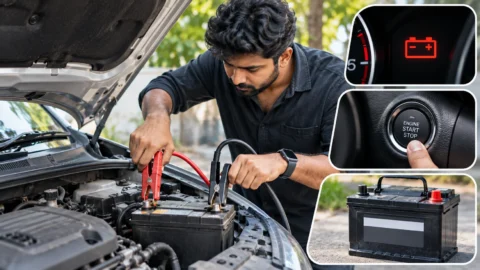
Car Battery Problems: Signs, Jump-Starting and Replacement
Learn the warning signs of a failing car battery, how to jump-start safely, and when and how to replace it without overpaying.
12 Ways to Improve Your Car’s Mileage
Get more kilometres from every litre. These 12 practical tips on driving habits, tyres, servicing and load can noticeably cut your fuel…
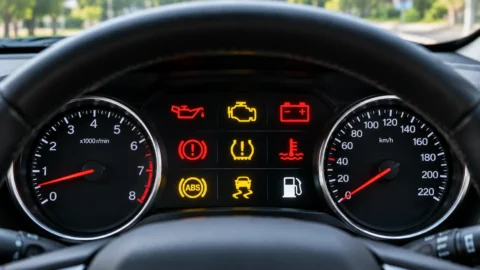
Dashboard Warning Lights and What They Mean
Understand common dashboard warning lights, their colours and what to do when they come on, from check engine to oil pressure and…
0 comments